Rare wildlife, protected ecosystems, volcanic islands, and true expedition travel.
The Galapagos Islands offer one of the most extraordinary travel experiences on Earth — a protected archipelago where wildlife, volcanic landscapes, and scientific history come together in a way found nowhere else.
A Galapagos cruise is not a traditional cruise. It is an expedition-style journey designed around nature, guided landings, snorkeling, small groups, and close wildlife encounters in one of the world’s most carefully protected environments.
See one of the Galapagos’ most iconic species and learn how these remarkable animals shaped the islands’ identity.
Observe the world’s only ocean-swimming iguanas, often seen along lava rocks and coastal areas.
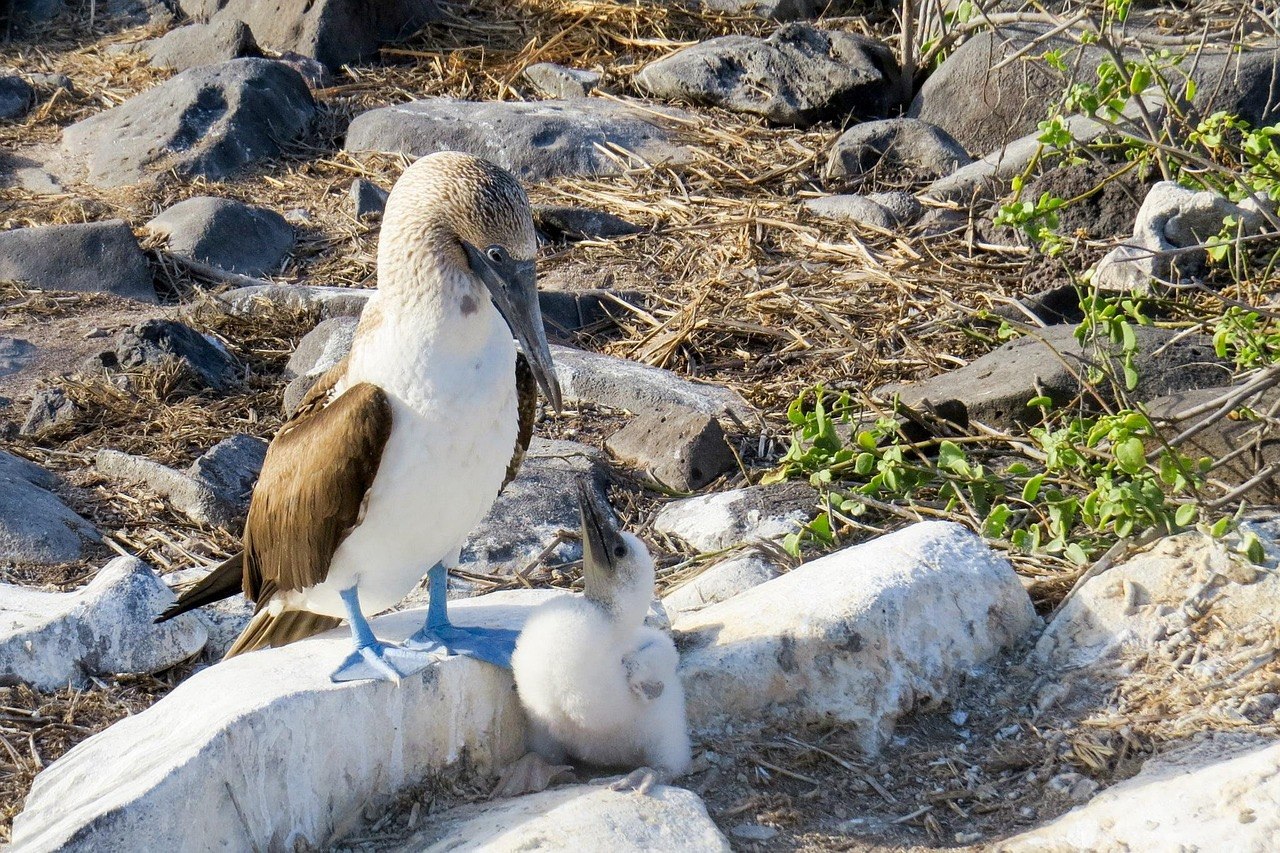
Watch one of the islands’ most recognizable birds, known for their bright blue feet and unique courtship displays.
Swim with sea turtles, rays, tropical fish, playful sea lions, and other marine life in protected waters.
Explore volcanic terrain, beaches, nesting areas, and unique ecosystems with expert naturalist guides.
Discover lava fields, craters, black-sand beaches, and dramatic terrain shaped by volcanic activity.
Galapagos vessels are designed around access, education, and carefully managed exploration rather than traditional resort-style cruising.
Capture rare wildlife, surreal landscapes, and close-up animal encounters in one of the world’s most photogenic natural destinations.
Gain a deeper understanding of ecology, evolution, and the protection efforts that preserve this fragile environment.
Often a key hub for Galapagos itineraries, with access to giant tortoise reserves, research centers, and Puerto Ayora.
Known for sea lions, coastal scenery, interpretation centers, beaches, and naturalist-led exploration.
The largest Galapagos island, offering volcanic landscapes, wildlife, marine life, and a more remote expedition feel.
One of the most pristine islands in the archipelago, known for lava landscapes, marine iguanas, and rare wildlife encounters.
Famous for seabirds, dramatic cliffs, marine life, and seasonal waved albatross sightings.
Known for Pinnacle Rock, volcanic scenery, panoramic viewpoints, and one of the most recognizable landscapes in the Galapagos.
Often called “Bird Island,” offering exceptional seabird viewing on select itineraries.
Known for history, wildlife, snorkeling, and the famous Post Office Bay tradition.
A common arrival gateway for Galapagos cruises, often paired with transfers to Santa Cruz or expedition vessels.
75–85°F
December–May, warmer water and calmer seas
65–75°F
June–November, cooler water and nutrient-rich seas
Year-round
Different species and behaviors peak by season
Book early
Ship space is limited and highly regulated
Best Time: Year-round, depending on your wildlife priorities and preferred water conditions.
Planning Tip: Because visitor numbers and ship capacity are tightly managed, early planning is especially important.